In today’s technology-driven world, businesses rely heavily on IT infrastructure to operate efficiently and remain competitive. From servers and laptops to networking equipment and mobile devices, organizations continuously upgrade their hardware to keep pace with innovation. However, this rapid technological advancement generates a significant byproduct: electronic waste (e-waste). Managing this waste responsibly is no longer just an environmental concern—it is a strategic priority within modern IT Asset Management (ITAM).
E-XPIRE’s eco-friendly e-waste disposal services play a critical role in reducing environmental impact, ensuring data security, meeting regulatory compliance requirements, and supporting corporate sustainability initiatives. By partnering with E-XPIRE, companies worldwide can integrate sustainable disposal practices into their IT asset management strategies, align with environmental, social, and governance (ESG) goals, and demonstrate a strong commitment to responsible technology stewardship.
Understanding E-Waste in IT Environments
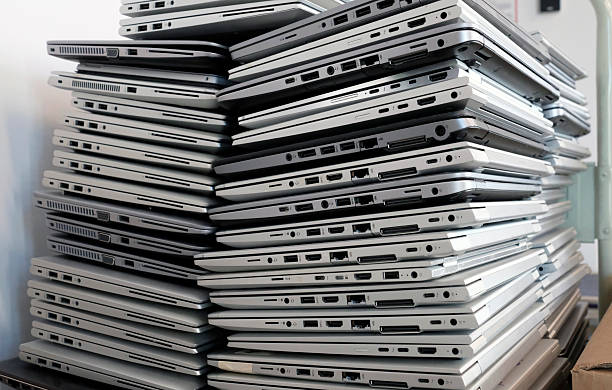
E-waste refers to discarded electronic devices and components, including:
- Servers and storage systems
- Desktop computers and laptops
- Monitors and peripherals
- Networking equipment
- Smartphones and tablets
- Printers and multifunction devices
- Batteries and backup systems
These devices contain valuable materials such as copper, aluminum, and precious metals—but they also contain hazardous substances like lead, mercury, and cadmium. Improper disposal can contaminate soil, water, and air, posing risks to human health and the environment.
For organizations managing hundreds or thousands of devices across multiple locations, responsible disposal is a complex but necessary responsibility.
The Environmental Impact of Improper E-Waste Disposal
When electronic waste ends up in landfills, toxic materials can leach into the ground and water systems. Informal recycling practices—often involving unsafe dismantling methods—can release harmful chemicals into the atmosphere.
Beyond pollution, improper disposal also results in the loss of recoverable resources. Many electronic devices contain recyclable metals that can be reintroduced into manufacturing supply chains. By failing to recycle responsibly, businesses contribute to unnecessary resource extraction and increased carbon emissions.
Eco-friendly e-waste disposal mitigates these risks by ensuring safe handling, proper recycling, and material recovery.
The Role of IT Asset Management in Sustainable Disposal
IT Asset Management (ITAM) involves tracking, managing, and optimizing IT assets throughout their lifecycle—from procurement to retirement. Integrating eco-friendly disposal into ITAM ensures that sustainability is embedded into every stage of asset management.
Key components include:
- Asset lifecycle tracking
- Secure data destruction
- Responsible recycling partnerships
- Documentation and reporting
- Compliance management
When disposal is planned from the beginning of an asset’s lifecycle, organizations can reduce waste, extend device usability, and improve overall environmental performance.
Core Principles of Eco-Friendly E-Waste Disposal
1. Reduce and Extend Asset Lifecycles
The most effective way to minimize e-waste is to reduce the frequency of hardware replacement. Organizations can:
- Implement preventative maintenance programs
- Upgrade components instead of replacing entire systems
- Use virtualization to optimize server utilization
- Redeploy equipment internally
Extending the life of devices reduces waste generation and lowers procurement costs.
2. Reuse and Refurbishment
Not all retired IT assets are obsolete. Many devices can be refurbished, repaired, or redeployed within the organization or donated to educational or nonprofit institutions.
Refurbishment programs help:
- Lower environmental impact
- Support community initiatives
- Reduce electronic waste volumes
- Maximize return on investment
Before reuse, secure data sanitization must be performed to eliminate any risk of data exposure.
3. Secure Data Destruction
Data security remains a top priority when disposing of IT assets. Eco-friendly disposal must include certified data destruction processes such as:
- Data wiping using industry-approved methods
- Physical destruction of storage media when necessary
- Chain-of-custody documentation
- Certificates of destruction
Secure data destruction ensures that environmental responsibility does not compromise information security.
4. Responsible Recycling
Recycling should follow environmentally sound practices that comply with international standards. Certified recyclers dismantle devices safely, separating hazardous materials from recyclable components.
Recovered materials—such as metals and plastics—can be reintroduced into manufacturing processes, reducing the need for raw material extraction and lowering overall carbon missions.
See also: Technology Trends in Software Engineering
Regulatory Compliance and Global Standards
Many regions have strict regulations governing electronic waste disposal. Businesses must comply with environmental and data protection laws that dictate how devices are handled at end-of-life.
Regulations often require:
- Proper documentation of disposal processes
- Certified recycling methods
- Secure handling of hazardous materials
- Proof of data destruction
Failure to comply can result in fines, legal action, and reputational damage. Eco-friendly disposal programs ensure that organizations meet both environmental and data security requirements simultaneously.
Benefits of Eco-Friendly E-Waste Disposal for Businesses
Environmental Sustainability
Sustainable disposal reduces landfill waste, conserves natural resources, and lowers greenhouse gas emissions. Companies that prioritize eco-friendly practices demonstrate genuine environmental responsibility.
Enhanced Corporate Reputation
Customers, investors, and stakeholders increasingly evaluate organizations based on sustainability performance. Responsible e-waste management strengthens brand credibility and aligns with ESG commitments.
Cost Efficiency
Recycling and refurbishment programs can recover residual value from retired equipment. Additionally, improved lifecycle management reduces unnecessary asset purchases.
Risk Reduction
Secure and documented disposal minimizes the risk of data breaches, environmental violations, and regulatory penalties.
Support for Circular Economy Initiatives
Eco-friendly disposal supports a circular economy model, where materials are reused and recycled rather than discarded. This approach promotes long-term resource sustainability.
Implementing an Eco-Friendly E-Waste Strategy
To successfully integrate eco-friendly disposal into IT asset management, organizations should follow a structured approach:
Conduct an Asset Inventory
Maintain accurate records of all IT assets, including purchase dates, warranty status, and end-of-life timelines. Comprehensive tracking improves disposal planning.
Establish Clear Disposal Policies
Define internal policies for asset retirement, data destruction, and recycling procedures. Ensure policies align with regulatory requirements and sustainability goals.
Partner with Certified Providers
Work with certified e-waste recyclers and data destruction specialists who adhere to environmental and security standards. Evaluate their certifications, reporting capabilities, and transparency.
Train Employees
Educate staff about responsible device handling, return procedures, and sustainability practices. Employee awareness reduces accidental disposal errors.
Monitor and Report
Track key performance indicators such as recycling rates, waste reduction metrics, and carbon footprint improvements. Reporting demonstrates accountability and supports ESG disclosures.
The Future of Sustainable IT Asset Management
As organizations continue digital transformation initiatives—adopting cloud computing, artificial intelligence, and Internet of Things (IoT) technologies—the volume of IT equipment will continue to grow. Sustainable disposal will become increasingly critical.
Emerging trends include:
- Automated asset tracking systems
- AI-driven lifecycle optimization
- Blockchain-based chain-of-custody tracking
- Advanced material recovery technologies
- Carbon footprint reporting integration
Forward-thinking businesses recognize that sustainability is not an afterthought—it is an integral part of operational excellence.
Conclusion
Eco-friendly e-waste disposal is no longer just an environmental initiative—it is a strategic component of responsible IT Asset Management. By reducing waste, extending device lifecycles, securely destroying data, and partnering with certified recycling providers, organizations can protect sensitive information while minimizing their environmental footprint.
Integrating sustainable disposal practices into IT asset management not only ensures regulatory compliance but also enhances corporate reputation, supports ESG goals, and contributes to a circular economy. As technology continues to evolve, businesses must adopt proactive and environmentally responsible approaches to managing end-of-life IT assets.
If your organization is ready to strengthen its IT asset management strategy with secure and eco-friendly e-waste disposal solutions, we are here to help. Contact us to learn how our sustainable IT asset management services can support your environmental goals while protecting your valuable data.