For hunters and outdoor enthusiasts, the Mojo Duck remote device has become a game-changing tool for waterfowl hunting. Designed to mimic the natural movement and behavior of real ducks, Mojo Ducks attract waterfowl from long distances, giving hunters a strategic advantage in the field. However, simply owning a Mojo Duck is not enough to guarantee success. To truly maximize its performance, hunters must understand how to operate, maintain, and strategically deploy the device in different hunting scenarios.
This article provides a comprehensive guide on maximizing performance with your Mojo Duck remote device, covering setup, operation, maintenance, and tactical strategies for achieving optimal results.
Understanding the Mojo Duck Remote Device
The Mojo Duck remote device is a battery-powered decoy designed to replicate the lifelike movements of a duck on the water’s surface. Its realistic motion, combined with an authentic appearance, triggers curiosity and territorial instincts in wild waterfowl. The device typically includes the following features:
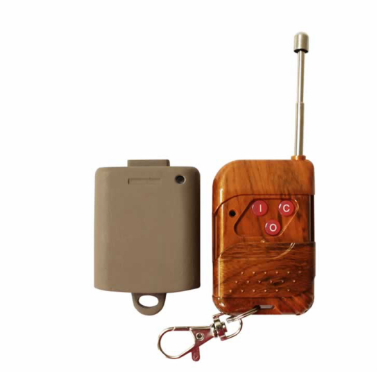
- Remote Control: Allows hunters to control the duck’s movements from a distance.
- Multiple Motion Settings: Offers different swimming patterns, paddling speeds, and idle behaviors to simulate natural activity.
- Durable Construction: Built to withstand water exposure, wind, and rough outdoor conditions.
- Rechargeable Battery: Ensures extended operation time during hunting trips.
- Attachment Options: Can be anchored or floated freely to mimic natural duck behavior.
By understanding the features of the Mojo Duck, hunters can effectively leverage its capabilities to enhance their waterfowl hunting experience.
Proper Setup for Optimal Performance
Setting up your Mojo Duck correctly is the first step in maximizing its performance. A poorly placed decoy can fail to attract ducks or even spook them away. Follow these setup tips:
1. Choose the Right Location
Placement is critical. Position your Mojo Duck in areas where ducks are likely to approach, such as feeding zones, landing spots, or near natural cover. Consider water depth, wind direction, and visibility from a distance. Avoid placing the decoy too close to your blind to prevent alerting waterfowl.
2. Secure the Decoy Properly
Ensure the decoy is securely anchored if necessary. This prevents it from drifting away in strong currents or windy conditions. Some hunters prefer tethering the Mojo Duck to a weight or stake to maintain a controlled position, allowing for consistent movement and realistic behavior.
3. Test the Battery
Before heading out, fully charge the battery and verify its operation. A Mojo Duck with low battery life can fail to perform, reducing its effectiveness. Keeping a backup battery on hand ensures uninterrupted action during critical hunting windows.
4. Adjust Motion Settings
Experiment with different motion patterns and speeds to determine which movement is most effective for attracting ducks in your specific environment. Alternating between paddling, idle, and gliding motions can mimic natural behavior and trigger curiosity in passing waterfowl.
Tactical Deployment Strategies
Beyond proper setup, deploying the Mojo Duck strategically can greatly increase its effectiveness. Hunters should consider the following techniques:
1. Blend with Traditional Decoys
Combine your Mojo Duck with static decoys to create a more natural-looking spread. While the Mojo Duck provides motion, the static decoys provide visual consistency and make the spread appear like a real group of ducks feeding or resting on the water.
2. Use in Varied Water Conditions
Adjust your decoy’s position and movement depending on water conditions. In calm water, subtle paddling or gliding motion works well. In choppy water, more pronounced movements can catch the attention of ducks flying overhead. Understanding environmental factors allows hunters to tailor decoy action to maximize attraction.
3. Time Your Deployment
Deploy your Mojo Duck shortly before hunting time to allow ducks to notice the movement but not become wary. Early morning or late afternoon, when ducks are most active, often provides the best opportunity for effective use.
4. Change Motion Patterns Occasionally
Waterfowl are naturally cautious and may become wary of repetitive movement. Switching between motion settings during a hunt can maintain a natural appearance, increasing the chances of luring ducks closer to your spread.
See also: Technology Risks in Business Environments
Maintenance and Care for Longevity
Proper maintenance ensures that your Mojo Duck remains reliable for multiple hunting seasons. Follow these maintenance practices:
- Clean After Use: Rinse off mud, debris, and water residue after each hunt to prevent buildup that could affect performance.
- Inspect for Damage: Check the body, remote control, and battery compartment for cracks, wear, or corrosion.
- Store Properly: Keep the device in a dry, temperature-controlled environment when not in use. Avoid exposure to extreme heat or freezing temperatures.
- Battery Care: Recharge the battery fully after each hunt and avoid leaving it in a depleted state. Replace batteries as needed to maintain optimal operation.
- Test Regularly: Conduct routine tests of motion functions and range to ensure the device operates correctly when needed.
Regular care not only improves performance but also extends the lifespan of your Mojo Duck device.
Advanced Tips for Maximum Attraction
Experienced hunters can use the following techniques to get the most out of their Mojo Duck remote device:
- Pair with Sound Decoys: Some hunters combine motion decoys with recorded duck calls to create a more realistic and enticing setup.
- Vary Positioning Across Hunts: Move the decoy between locations during the season to avoid patterns that ducks might detect.
- Observe Waterfowl Behavior: Watch how ducks react to your decoy and adjust motion and placement accordingly. Learning from each hunt improves results over time.
- Practice Remote Operation: Become familiar with the remote controls so you can adjust movement quickly and accurately without disturbing nearby ducks.
These strategies can give hunters a significant advantage in attracting wary waterfowl.
Conclusion
The Mojo Duck remote device is a powerful tool for waterfowl hunters, providing lifelike movement and versatility that can significantly improve hunting success. By understanding proper setup, tactical deployment, and regular maintenance, hunters can maximize the performance of their Mojo Duck and create an effective, realistic decoy spread. With strategic use and careful care, this device can enhance every waterfowl hunting experience, making each trip more productive and enjoyable.
If you’re ready to elevate your waterfowl hunting game and get the most out of your Mojo Duck remote device, contact us today to learn more about optimizing your decoy setup and accessories for maximum performance.