Introduction: The Danger of Hidden Fire Risks
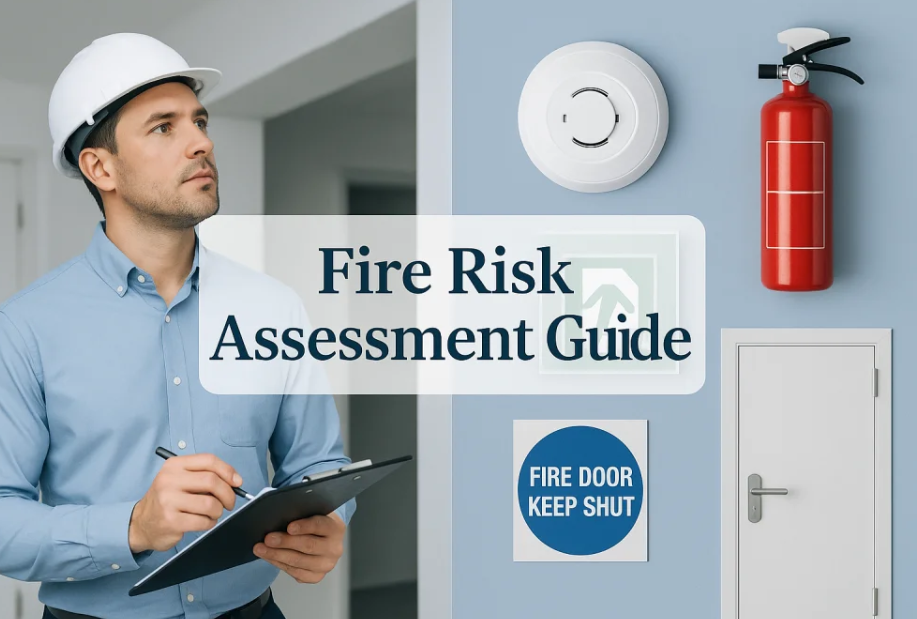
Not all fire hazards are obvious. Many of the most serious fires start because of risks that go unnoticed—faulty wiring behind walls, unsafe storage practices, or gradual changes in how spaces are used. A structured Fire Risk Assessment is essential for identifying these hidden dangers before they escalate into emergencies.
By taking a systematic approach, organizations can reveal risks that routine checks often miss and strengthen their overall fire safety strategy.
Why Hidden Fire Hazards Are Often Overlooked
Hidden fire hazards develop slowly and silently.
Common Reasons They Are Missed
- Familiarity with the environment
- Poor documentation
- Lack of inspections
- Uncontrolled changes
Fire risk assessment challenges assumptions and focuses attention on overlooked areas.
See also: Technology Trends in Personal Devices
Using a Systematic Approach to Fire Risk Assessment
A systematic method ensures consistency and depth.
Key Systematic Steps
- Area-by-area inspection
- Review of activities and processes
- Evaluation of historical incidents
- Consultation with staff
This structured approach helps uncover risks that are not immediately visible.
Hidden Electrical Fire Hazards
Electrical issues are a major source of concealed risk.
Examples of Hidden Electrical Risks
- Aging or damaged wiring
- Overloaded circuits
- Unauthorized electrical modifications
- Poor-quality extension leads
Fire risk assessment identifies these risks through inspection and maintenance review.
Fire Risks Hidden in Storage and Housekeeping Practices
Storage areas often conceal hazards.
Hidden Storage Risks
- Combustible materials near heat sources
- Blocked ventilation
- Excess stock accumulation
- Waste buildup
Fire risk assessment evaluates storage conditions beyond surface appearance.
Changes in Building Use and Layout
Unplanned changes create unseen dangers.
Examples of Risky Changes
- Converting rooms without reassessment
- Adding workstations
- Introducing new equipment
Fire risk assessment ensures changes do not introduce hidden fire risks.
Hidden Fire Risks in Plant Rooms and Service Areas
Restricted-access areas are often ignored.
High-Risk Hidden Areas
- Electrical plant rooms
- Boiler rooms
- Server and control rooms
Fire risk assessment ensures these areas receive the same attention as occupied spaces.
Ventilation Systems and Concealed Fire Spread
Ventilation can hide fire pathways.
Ventilation-Related Risks
- Fire spread through ducts
- Accumulated dust and grease
- Lack of fire dampers
Fire risk assessment checks that ventilation systems do not aid fire spread.
Human Behavior and Unseen Fire Risks
Behavioral risks are often underestimated.
Examples
- Improper equipment use
- Informal work practices
- Ignoring safety procedures
Fire risk assessment observes real behavior, not just written rules.
Detecting Hidden Fire Risks Through Incident Data
Past incidents reveal future risks.
Useful Data Sources
- Near-miss reports
- Maintenance records
- Alarm activations
Fire risk assessment uses data to identify patterns and hidden hazards.
Fire Detection Challenges in Hidden Areas
Some areas are harder to monitor.
Detection Considerations
- Inaccessible spaces
- Dusty or hot environments
- Delayed alarm activation
Fire risk assessment ensures detection systems cover concealed risks.
Mitigating Hidden Risks Through Preventive Controls
Once identified, hidden risks must be controlled.
Effective Controls
- Improved inspection routines
- Enhanced maintenance
- Staff training
- Better documentation
Fire risk assessment transforms hidden risks into managed risks.
Reviewing Fire Risk Assessment to Catch Emerging Hazards
Hidden risks evolve over time.
Review Triggers
- Equipment aging
- Changes in workload
- Modifications to layout
Regular review keeps assessments effective.
Common Failures in Identifying Hidden Fire Risks
Understanding failures improves detection.
Typical Failures
- Relying on visual checks only
- Ignoring restricted areas
- Not involving staff
Fire risk assessment must be thorough and inclusive.
FAQs About Fire Risk Assessment
1. Why are hidden fire hazards dangerous?
Because they often go unnoticed until a fire starts.
2. Can routine inspections miss hidden risks?
Yes, without a structured assessment.
3. Are hidden risks more common in older buildings?
Yes, but new buildings can also develop them.
4. How can staff help identify hidden risks?
By reporting unusual conditions and near misses.
5. Does technology help detect hidden risks?
Yes, through monitoring and detection systems.
6. How often should hidden risks be reassessed?
Regularly and after any significant change.
Conclusion
A systematic Fire Risk Assessment is essential for uncovering hidden fire hazards that routine checks may miss. By examining buildings, systems, and behavior in detail, organizations can identify unseen risks and take action before fires occur.
Fire safety improves dramatically when hidden dangers are brought into the open—and fire risk assessment is the key to making that happen.