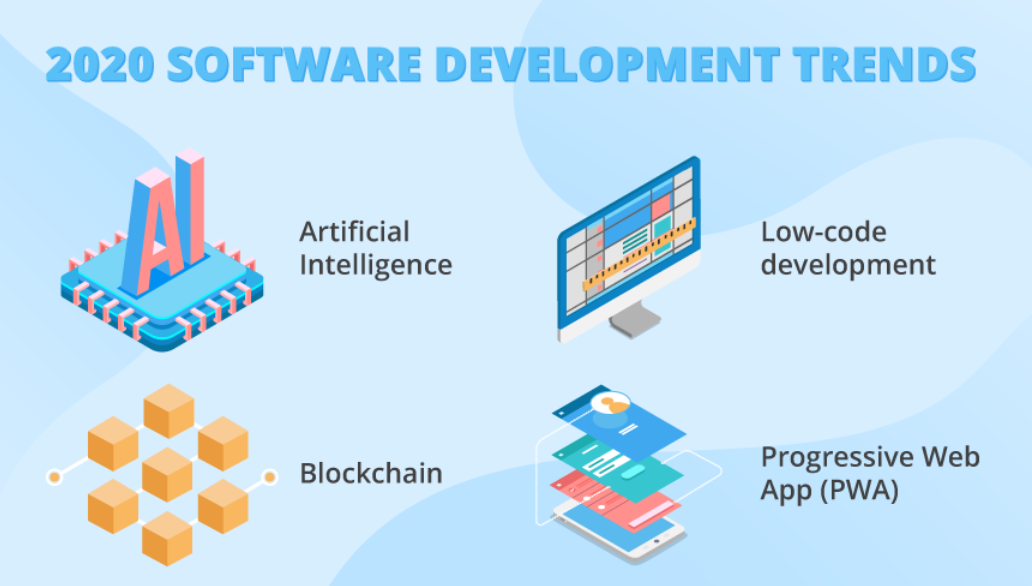
The landscape of software engineering is evolving rapidly. Key trends such as artificial intelligence, cloud computing, and DevOps are redefining development practices. Each trend brings distinct advantages, enhancing efficiency and collaboration. However, the increasing emphasis on cybersecurity raises questions about the balance between innovation and protection. As these elements interact, they shape the future of the industry in unforeseen ways. What implications will this convergence have for software resilience and adaptability?
The Rise of Artificial Intelligence in Development
The integration of artificial intelligence (AI) in software development has transformed traditional methodologies, streamlining processes and enhancing productivity.
Machine learning algorithms enable predictive analytics, optimizing resource allocation and decision-making.
Code automation tools reduce manual efforts, allowing developers to focus on creative problem-solving.
This synergy empowers teams to innovate rapidly, fostering an environment where freedom and efficiency coexist, ultimately redefining software engineering paradigms.
See also: Technology Trends in Personal Devices
Embracing Cloud Computing for Scalability
As organizations seek to enhance their operational efficiency, embracing cloud computing has emerged as a pivotal strategy for achieving scalability in software development.
Cloud migration facilitates seamless transitions to scalable infrastructures, enabling teams to dynamically adjust resources. This flexibility promotes resource optimization, allowing businesses to efficiently manage costs while meeting varying demands.
Thereby fostering innovation and agility in an increasingly competitive landscape.
The Impact of DevOps Practices on Collaboration
Numerous organizations are increasingly recognizing the transformative impact of DevOps practices on collaboration within software engineering teams.
By fostering cross-functional teams, DevOps promotes a culture of shared responsibility and open communication.
Continuous feedback loops enhance transparency, ensuring swift problem resolution and innovation.
This collaborative framework empowers teams to adapt quickly, driving efficiency and creativity in software development processes.
The Growing Importance of Cybersecurity in Software Engineering
A heightened focus on cybersecurity has become essential in software engineering, driven by the increasing frequency and sophistication of cyber threats.
Organizations are adopting robust cybersecurity frameworks to enhance threat mitigation strategies, ensuring that software is resilient against vulnerabilities.
This proactive approach not only safeguards sensitive data but also fosters trust, empowering users to embrace technology with greater confidence in its security posture.
Conclusion
In conclusion, the convergence of artificial intelligence, cloud computing, and DevOps practices is revolutionizing software engineering, creating a landscape where innovation flourishes like wildflowers after a spring rain. As organizations increasingly prioritize cybersecurity, they not only safeguard their digital assets but also enhance their resilience in a fiercely competitive environment. Embracing these trends is not merely advantageous; it is essential for thriving in an era defined by rapid technological evolution and the relentless pursuit of excellence.