A vehicle’s air conditioning system relies on several connected components to cool the cabin, and the compressor is one of the main mechanical parts in that system. It circulates refrigerant through the air conditioning circuit, allowing heat to be removed from the cabin and released outside the vehicle.
Understanding how a vehicle ac compressor operates can help drivers recognise early warning signs, understand repair recommendations and make more informed decisions about servicing. Compressor faults can affect cooling performance, create unusual noises and, in some cases, cause damage to other air conditioning components.
What Does an AC Compressor Do?
The compressor circulates refrigerant through the vehicle’s air conditioning system. It draws in low-pressure refrigerant vapour from the evaporator and compresses it into a high-pressure, high-temperature gas.
The compressed refrigerant then moves towards the condenser, where heat is released. As the refrigerant continues through the system, it changes pressure and temperature before returning to the evaporator to absorb heat from the cabin air.
This cycle repeats while the air conditioner is operating. The compressor therefore has a direct connection to the system’s ability to produce cool air.
See also: How Steam Cleaning Services Help Protect Upholstery and Extend Its Life
Main Components Connected to the Compressor
The compressor does not operate independently. It works alongside several other components, including the condenser, evaporator, expansion device, refrigerant lines and electrical controls.
A typical system follows this sequence:
- The compressor compresses refrigerant gas.
- The condenser removes heat from the refrigerant.
- The expansion device reduces refrigerant pressure.
- The evaporator absorbs heat from air inside the cabin.
- Refrigerant returns to the compressor to repeat the cycle.
A fault elsewhere in the system can sometimes produce symptoms that appear to be compressor-related. Proper diagnosis is therefore preferable to replacing the compressor based only on poor cooling.
Different Types of Automotive Compressors
Vehicle manufacturers use different compressor designs depending on the vehicle, engine configuration and air conditioning system.
A traditional fixed-displacement compressor moves a relatively consistent amount of refrigerant during each operating cycle. Other systems use variable-displacement compressors that can adjust refrigerant flow according to cooling demand.
Some modern vehicles also use electrically driven compressors. These are particularly relevant to hybrid and electric vehicles because they can operate without relying directly on an engine-driven belt.
The correct compressor depends on the vehicle’s make, model, engine or electric drivetrain, production year and existing air conditioning system.
Signs of a Failing Auto AC Compressor
A failing auto AC compressor can produce several noticeable symptoms. One of the most obvious is reduced cooling from the vents. The air conditioner may still operate, but it may take longer to cool the cabin or fail to reach the expected temperature.
Unusual noises are another warning sign. Grinding, squealing, rattling or knocking sounds may occur when the compressor engages. A damaged clutch, worn internal components or insufficient lubrication can contribute to these noises.
Other possible symptoms include:
- Air conditioning that switches on and off unexpectedly
- Refrigerant leaks around the compressor
- A damaged or slipping drive belt
- Poor cooling performance at idle
- Excessive pressure within the air conditioning system
- Compressor clutch problems
These symptoms can have multiple causes, so testing the complete system is necessary before confirming compressor failure.
Why Compressor Lubrication Matters
Refrigerant and compressor oil work together within the air conditioning system. The oil helps lubricate internal compressor components and supports reliable operation.
Low oil levels can increase internal friction and contribute to component wear. Excess oil can also affect system performance. Contamination caused by moisture, debris or an incorrect refrigerant can create additional problems.
For this reason, compressor replacement should involve more than simply fitting a new component. The condition of the refrigerant circuit should also be assessed, particularly if the original compressor has suffered internal failure.
Choosing an AC Air Compressor for Car Repairs
Selecting an ac air compressor for car applications requires attention to the vehicle’s specifications rather than relying solely on physical appearance.
Important details can include compressor mounting points, pulley configuration, clutch arrangement, electrical connections, refrigerant type and displacement. The replacement component must also be compatible with the vehicle’s existing air conditioning system.
Vehicle identification information, including the registration details, VIN or manufacturer part number, can help confirm compatibility. Matching the correct component before installation reduces the risk of fitting an unsuitable compressor.
Common Causes of Compressor Problems
Several conditions can contribute to compressor failure. Normal wear is one possibility, particularly in vehicles with high kilometres. Lack of lubrication, refrigerant leaks and contamination can also affect compressor operation.
A damaged serpentine belt or tensioner may prevent an engine-driven compressor from operating correctly. Electrical faults can affect compressor clutches, pressure sensors and control modules.
System contamination is another concern. If a compressor breaks internally, metal particles and other debris may circulate through the refrigerant circuit. Depending on the extent of the failure, additional components may need inspection or replacement.
Testing an Automotive AC Compressor
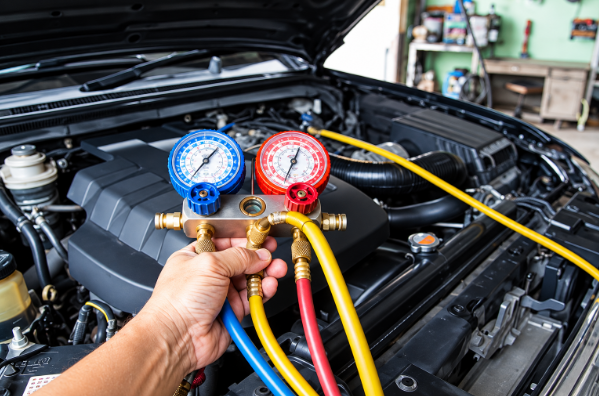
Diagnosis usually involves checking system pressures, electrical signals, compressor engagement and refrigerant levels. Technicians may also inspect the drive belt, pulley, clutch and visible refrigerant leaks.
Pressure readings can provide useful information, but they need to be interpreted alongside other test results. Incorrect refrigerant charge, blocked components and airflow problems can create pressure readings that resemble compressor faults.
A proper diagnosis identifies the underlying cause rather than treating the symptom alone.
Compressor Replacement and System Service
Replacing a compressor normally requires refrigerant recovery before the existing component is removed. The replacement compressor must be installed according to the manufacturer’s specifications, with the correct amount and type of oil.
Depending on the failure, technicians may also need to flush parts of the system, replace contaminated components or install a new receiver-drier or accumulator.
After installation, the system should be evacuated to remove air and moisture before the specified refrigerant charge is added. The system can then be tested for leaks, operating pressure and cooling performance.
Maintenance That Can Reduce AC Problems
Regular air conditioning checks can help identify developing faults before they become major repairs. Drivers can pay attention to changes in cooling performance, unusual compressor noises and intermittent operation.
Running the air conditioner periodically, including during cooler months, can help keep system components operating rather than leaving the system unused for extended periods.
Cabin air filters should also be replaced according to the vehicle manufacturer’s recommendations. A restricted filter can reduce airflow through the cabin, although it does not necessarily indicate a compressor problem.
Understanding Replacement Options
When a car air conditioner compressor needs replacement, vehicle compatibility, component quality and installation requirements should all be considered. New, remanufactured and used compressors may be available, depending on the vehicle and market.
A replacement should match the required refrigerant, mounting arrangement and system specifications. The compressor alone may not resolve the problem if another component caused the original failure.
For older vehicles, the cost of related repairs should also be considered alongside the condition and expected service life of the vehicle.
The Role of the Car AC Compressor in Cooling Performance
The car ac compressor is central to the refrigeration cycle that keeps the cabin comfortable. Its job involves moving and pressurising refrigerant so heat can be transferred out of the passenger compartment.
Understanding the compressor’s function makes it easier to recognise symptoms such as weak cooling, abnormal noises and inconsistent operation. It also highlights why accurate diagnosis matters before replacing an expensive component.
For vehicles experiencing air conditioning problems, checking the complete system rather than focusing on a single symptom provides a clearer path towards identifying the actual fault. Regular servicing and correct component selection can also help maintain reliable cooling performance over the life of the vehicle.