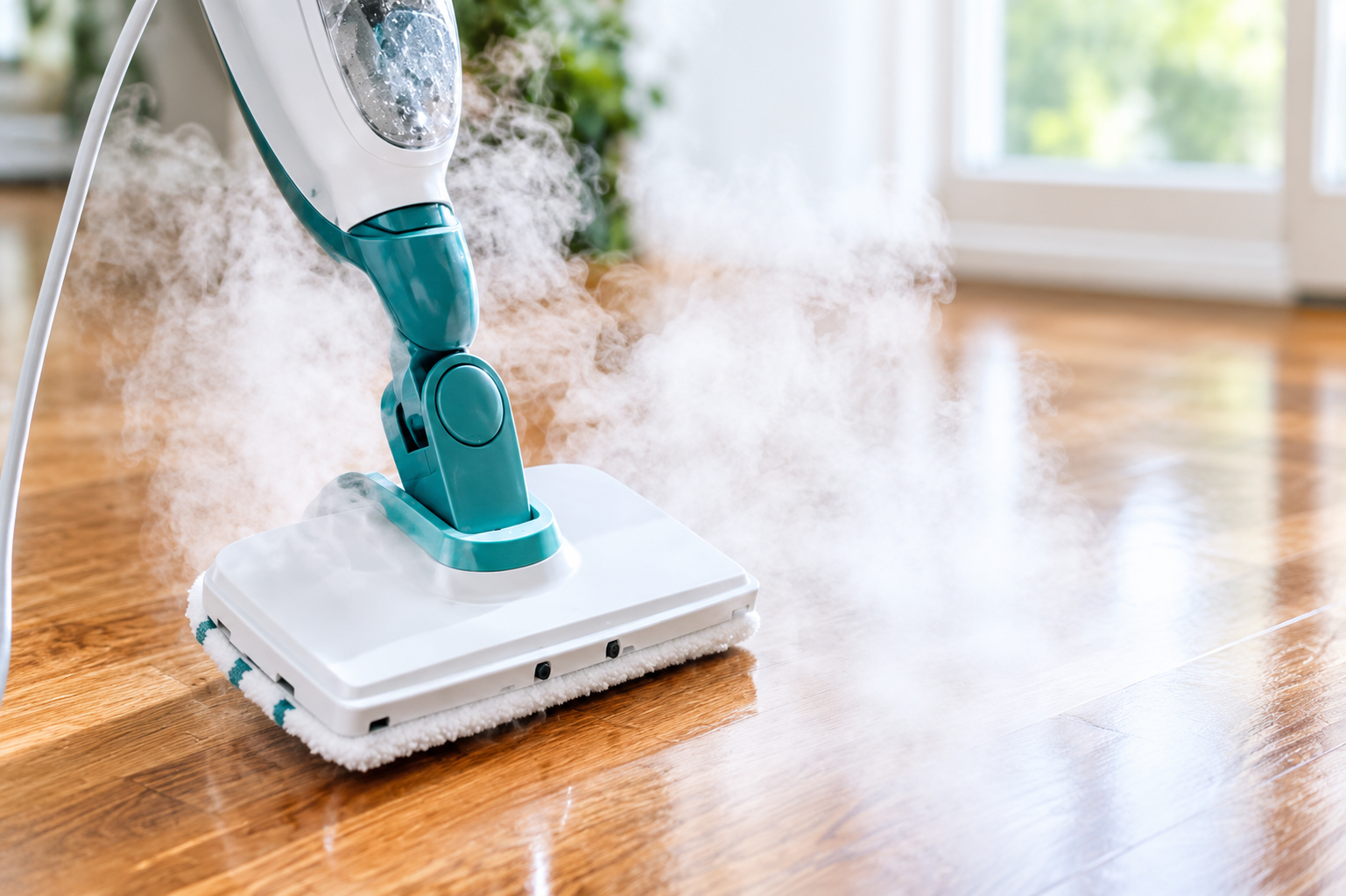
Upholstered furniture collects dust, body oils, food particles, pet hair, and other debris through regular use. Vacuuming removes loose dirt, but it may not reach deeper into fabric fibres. Steam cleaning services provide a deeper cleaning method that uses heated water vapour or controlled moisture to loosen dirt and refresh upholstery. Understanding how this process works can help homeowners choose suitable cleaning methods and care for their furniture properly.
Why Upholstery Needs More Than Regular Vacuuming
Sofas, armchairs, dining chairs, ottomans, and other upholstered items are exposed to frequent contact. Dust and small particles can settle between fibres, while spills may leave behind stains or odours.
Regular vacuuming is useful for removing surface debris, but it does not always deal with embedded grime. Fabric can also become dull over time because of accumulated oils and dirt.
Periodic deep cleaning can help maintain the appearance of furniture and reduce the amount of built-up material inside the upholstery.
See also: Why Businesses Need a Clear Plan for Retired Storage Devices
How Steam Cleaning Works on Upholstery
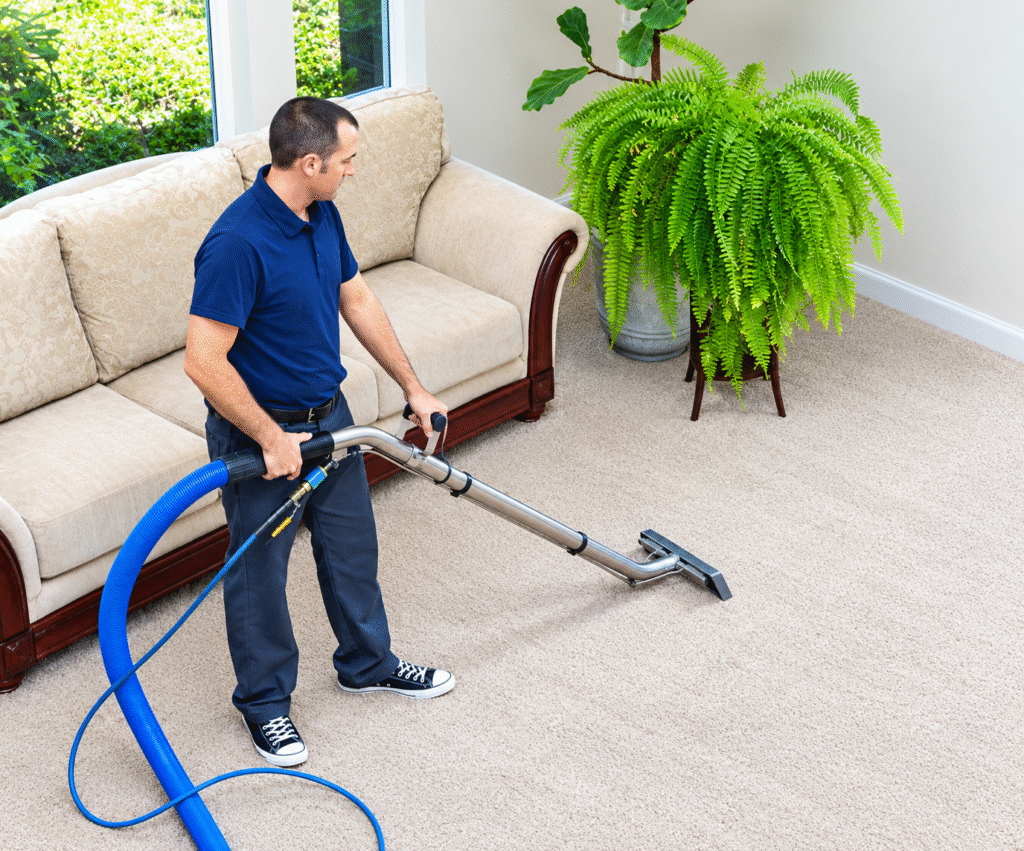
Steam-based cleaning uses heat and moisture to loosen dirt from fabric. Depending on the equipment and method, the cleaning process may involve steam, hot water extraction, or a combination of heated moisture and suction.
The technician first assesses the upholstery material. This matters because different fabrics have different cleaning requirements. The fabric may then be vacuumed to remove loose particles before a suitable cleaning treatment is applied.
Heat helps loosen residues, while extraction equipment can remove moisture and suspended dirt from the material. Proper drying is also necessary after treatment to prevent lingering dampness.
The exact process varies according to the furniture’s fabric, construction, condition, and manufacturer’s care instructions.
Choosing the Right Cleaning Method for Different Fabrics
Not every upholstery material should be treated in the same way. Natural fibres, synthetic fabrics, velvet, suede-like materials, and delicate textiles can react differently to heat and moisture.
Furniture manufacturers often provide cleaning codes that indicate which methods are suitable. These codes can help determine whether water-based cleaning, solvent-based cleaning, or professional treatment is appropriate.
A cleaning professional should inspect the fabric before applying products or heat. Testing an inconspicuous area can also help identify potential colour bleeding, shrinkage, or other reactions.
Using excessive moisture or heat on unsuitable materials can cause damage, so the cleaning method should match the upholstery rather than follow a single procedure for every item.
What Professional Upholstery Cleaners Typically Check
Experienced professional upholstery cleaners usually consider several factors before beginning work. These may include:
- Fabric type and manufacturer cleaning instructions
- Existing stains and their likely causes
- Fabric colour and risk of colour transfer
- Age and general condition of the furniture
- Previous cleaning treatments
- Areas with heavy use
- Cushion construction
- Moisture tolerance
- Drying requirements
This inspection helps determine an appropriate cleaning process. Stains caused by coffee, grease, ink, food, or pet accidents may require different treatments, and some marks may not disappear completely.
When to Search for Upholstery Cleaning Services Near Me
People often search for upholstery cleaning services near me after a noticeable spill or when furniture starts looking tired. Deep cleaning does not necessarily need to wait until upholstery appears heavily soiled.
Cleaning schedules can depend on household activity. Homes with pets, children, frequent visitors, or high-use furniture may require more regular attention than lightly used furniture.
Visible stains, persistent odours, heavy dust accumulation, or noticeable discolouration can all indicate that professional cleaning may be useful.
The location of the furniture also matters. Sofas used every day generally collect more contaminants than occasional-use chairs kept in a formal room.
Steam Cleaning and Stain Removal
Steam can loosen certain types of stains by softening residues within the fabric. However, the success of stain removal depends on several factors.
Fresh spills are generally easier to address than old stains that have had time to penetrate fibres. The substance involved also makes a difference. Grease, dye, ink, and protein-based stains respond differently to cleaning products.
Repeatedly scrubbing a stain can sometimes push the material deeper into the fabric or damage the fibres. Aggressive rubbing may also create a visibly worn patch.
Professional assessment is useful for difficult stains because the cleaning method can be selected according to the material and stain type.
Upholstery Steam Cleaning Services for Regular Furniture Care
Upholstery steam cleaning services can be used as part of a broader furniture maintenance routine. Deep cleaning may help remove accumulated dirt while keeping frequently used furniture looking fresher.
However, cleaning should not replace everyday care. Vacuuming upholstery regularly, addressing spills promptly, rotating cushions where appropriate, and following manufacturer instructions can all help maintain furniture.
Sunlight can also affect some fabrics over time. Keeping furniture away from prolonged direct sunlight may reduce uneven fading.
Furniture should also be allowed to dry fully after moisture-based cleaning. Using fans and maintaining good airflow can help shorten drying time.
How Often Should Upholstered Furniture Be Cleaned?
There is no universal schedule that suits every household. Cleaning frequency depends on usage, fabric, indoor conditions, pets, children, and the presence of allergies or sensitivities.
Lightly used furniture may need occasional deep cleaning, while heavily used seating may benefit from more frequent attention. Manufacturer instructions should always take priority over a general cleaning timetable.
A practical maintenance routine might include regular vacuuming, prompt treatment of spills, periodic inspection for stains and odours, and professional deep cleaning when routine care is no longer sufficient.
Questions to Ask Before Booking a Cleaning Service
Before arranging a cleaning appointment, homeowners can ask several practical questions:
- What cleaning method will be used?
- Is the method suitable for the upholstery fabric?
- Will the fabric be tested first?
- How long is the expected drying period?
- Are stain-treatment products included?
- Could the treatment affect fabric colour?
- Does the furniture manufacturer recommend any specific cleaning method?
- What preparation is required before the appointment?
Clear answers can help prevent misunderstandings and reduce the risk of unsuitable treatment.
Keeping Furniture Clean Between Professional Treatments
Simple habits can reduce dirt accumulation between deep-cleaning appointments. Vacuum cushions and crevices regularly, particularly in areas that receive frequent use. Deal with spills quickly by following the manufacturer’s care instructions rather than immediately applying household chemicals.
Removable covers should be washed only according to their care labels. Cushion covers that are not designed for machine washing may shrink or lose their shape.
Pets can also introduce hair, dirt, and outdoor particles to upholstered furniture. Regular grooming and the use of washable throws on heavily used areas can make routine maintenance easier.
A Practical Approach to Upholstery Care
Deep cleaning is only one part of maintaining upholstered furniture. The most suitable method depends on fabric type, furniture condition, cleaning instructions, and the nature of the dirt or staining.
Steam cleaning services can provide a useful option for suitable upholstery when carried out with appropriate equipment and moisture control. Combining professional cleaning with regular vacuuming and careful spill management can help furniture remain cleaner and usable for longer.