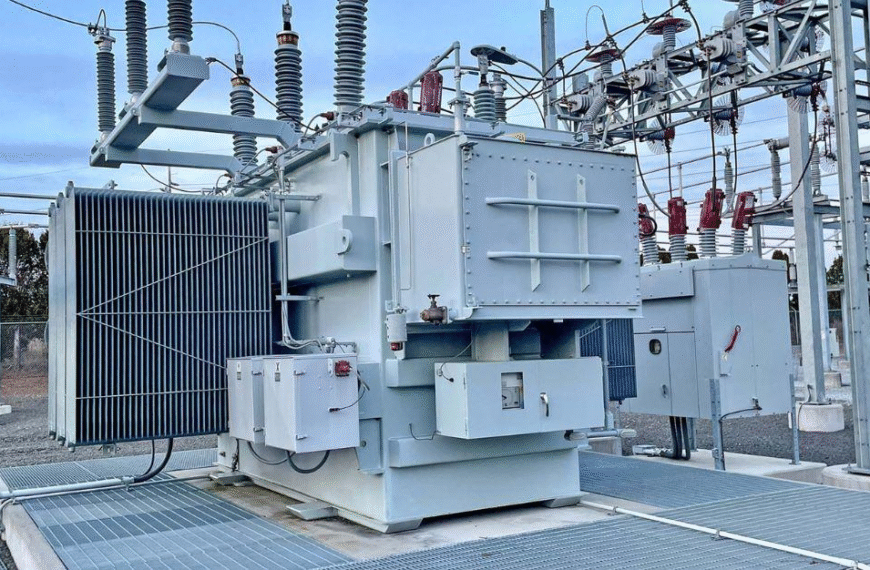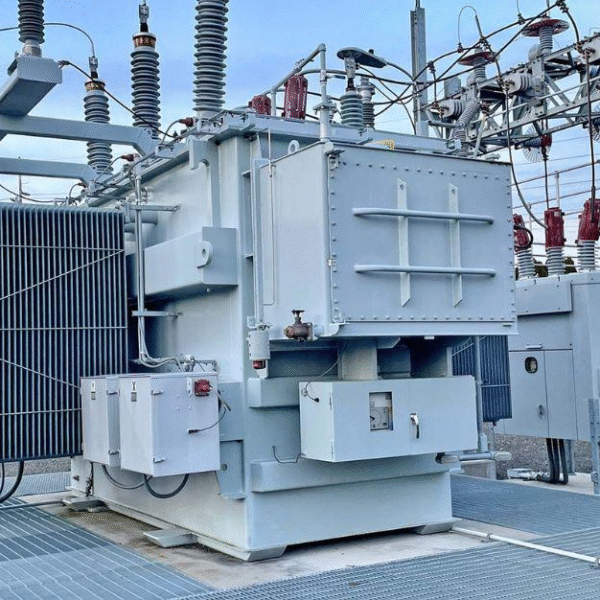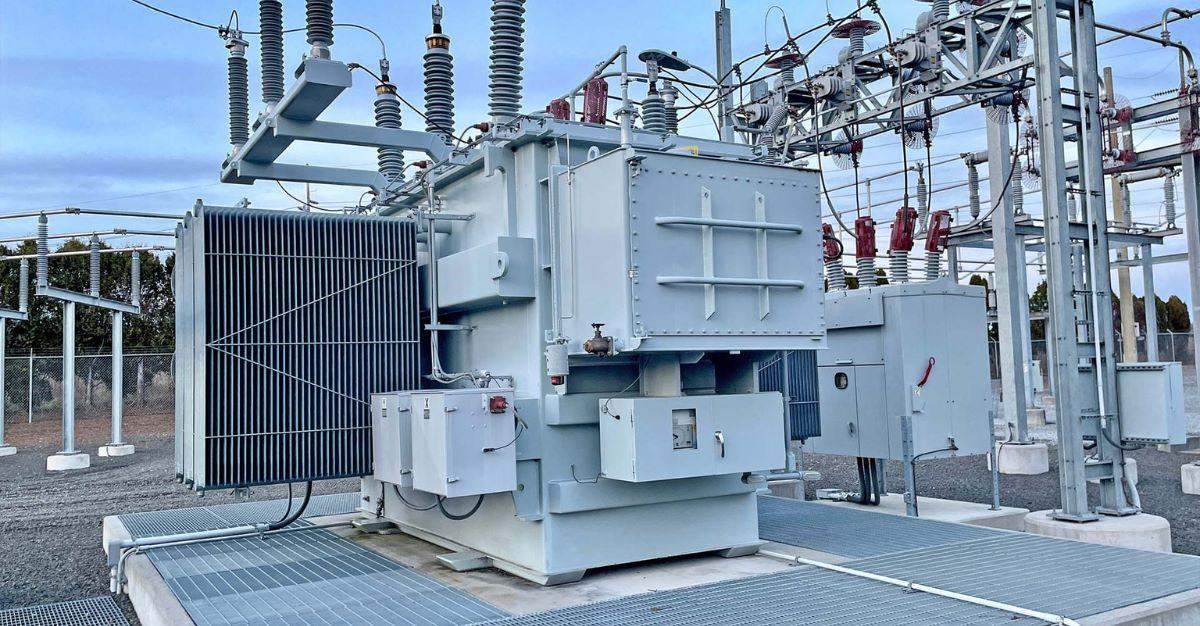
A 5000 kVA transformer is designed for large electrical installations that require substantial power distribution capacity. These transformers are commonly considered for industrial facilities, commercial complexes, utility substations, manufacturing plants, and other applications with significant electrical loads.
Selecting the right unit requires more than checking its capacity rating. Voltage levels, cooling method, insulation system, efficiency, installation conditions, and protection requirements all affect the suitability of a transformer for a particular project. Reviewing these details before purchase can help engineers and procurement teams identify equipment that matches the electrical system.
What Does a 5000 kVA Transformer Do?
A 5000 kVA transformer has an apparent power rating of 5,000 kilovolt-amperes. Its primary function is to transfer electrical energy between circuits while changing the voltage level to meet the requirements of the connected distribution or industrial system.
The kVA rating describes the transformer’s capacity rather than its actual energy consumption. The amount of real power available in kilowatts depends on the power factor of the electrical load.
For example, at a power factor of 0.8, a 5,000 kVA transformer corresponds to approximately 4,000 kW of real power under the stated operating conditions. Actual usable capacity also depends on ambient temperature, loading conditions, cooling arrangements, and manufacturer specifications.
See also: How Steam Cleaning Services Help Protect Upholstery and Extend Its Life
5000 kVA Transformer Specification
The 5000 kVA transformer specification varies according to the intended application and electrical system. A typical specification sheet may include several technical parameters that need to be reviewed together.
Common specifications include:
- Rated capacity: 5,000 kVA
- Primary voltage: Determined by the incoming electrical supply
- Secondary voltage: Selected according to the downstream distribution system
- Frequency: Commonly 50 Hz or 60 Hz, depending on the electrical network
- Phase: Usually three-phase for large industrial applications
- Cooling method: May include oil-immersed cooling or dry-type cooling
- Insulation class: Depends on transformer design and operating voltage
- Connection arrangement: Selected according to system requirements
- Impedance: Affects fault current and voltage regulation
- Tap changer: May be provided for voltage adjustment
- Temperature rise: Specified according to the applicable design standard
- Efficiency: Determined by core, winding, and load losses
- Enclosure: Particularly relevant for indoor dry-type installations
The exact values should come from the manufacturer’s technical data sheet rather than being assumed from the kVA rating alone.
Dry-Type and Oil-Immersed Designs
A 5,000 kVA unit can be manufactured using different transformer technologies. The two common categories are dry-type and oil-immersed transformers.
Dry-type transformers use air or another non-liquid cooling medium. They are often considered for buildings, indoor electrical rooms, and locations where the use of insulating liquid creates additional installation or fire-safety considerations.
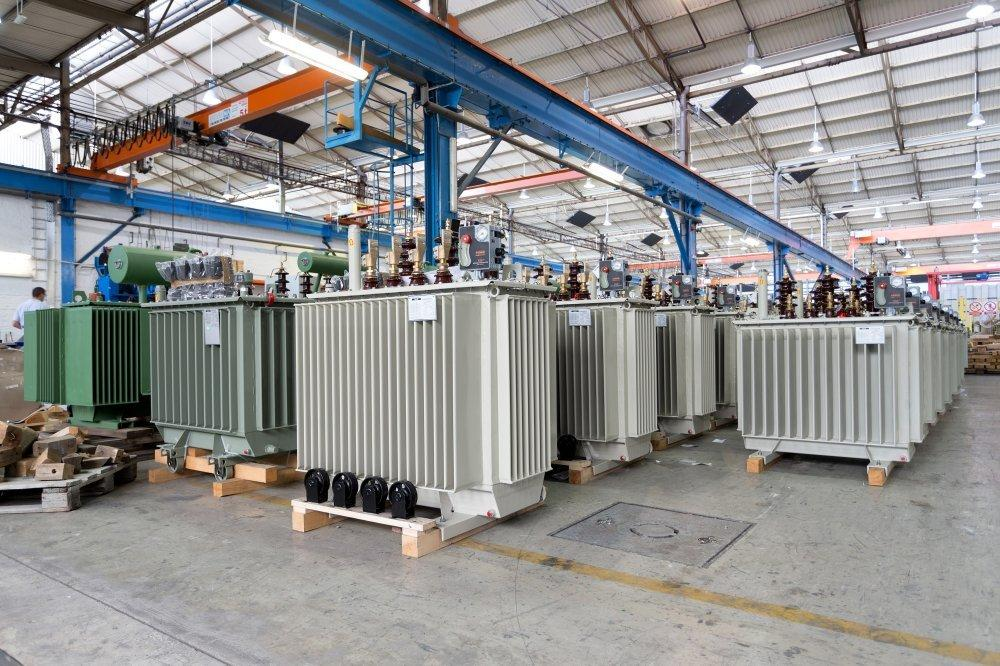
Oil-immersed transformers use insulating oil for cooling and electrical insulation. Oil provides effective heat transfer, which makes this design suitable for many high-capacity outdoor and industrial installations. These systems require appropriate arrangements for oil containment, ventilation, maintenance, and fire protection.
The installation environment and project standards generally determine which construction is appropriate.
Factors Affecting 5000 kVA Transformer Price
The 5000 kVA transformer price can differ substantially between projects because transformer capacity alone does not determine the final cost.
Several specifications influence the purchase price, including:
- Primary and secondary voltage ratings
- Dry-type or oil-immersed construction
- Copper or aluminum windings
- Core material and design
- Cooling requirements
- Tap changer configuration
- Impedance requirements
- Efficiency and allowable losses
- Protection and monitoring equipment
- Indoor or outdoor enclosure requirements
- Applicable testing and certification
- Transportation and installation requirements
Additional accessories can also affect the overall project cost. These may include temperature monitoring equipment, surge protection, bushings, cooling fans, control panels, and other electrical protection components.
For this reason, comparing transformers solely by quoted price can produce misleading results. Two units with the same 5,000 kVA rating may have considerably different technical specifications.
Voltage Selection Matters
The voltage ratio is one of the first specifications that should be established during transformer selection. A transformer may be designed to step voltage down from a medium- or high-voltage supply to a lower distribution voltage.
For example, an industrial facility may require a transformer that receives power at one medium-voltage level and supplies a lower voltage suitable for motors, machinery, lighting, and distribution panels.
The selected voltage ratio must match the electrical system. Incorrect voltage selection can create compatibility problems and may affect connected equipment, protection settings, and overall system performance.
Efficiency and Transformer Losses
Large transformers operate continuously in many industrial and utility applications, making efficiency a significant consideration.
Transformer losses generally include no-load losses and load losses. No-load losses occur while the transformer is energized, even when little or no load is connected. Load losses increase as the transformer carries current.
A transformer with lower losses can reduce energy wastage during its operating life. However, the purchase price, expected loading pattern, operating hours, electricity costs, and projected service life should be considered together when evaluating efficiency.
Installation Requirements for Large Transformers
A 5,000 kVA transformer requires careful planning before delivery and installation. Its physical dimensions and weight can create transportation and handling requirements that are different from those of smaller distribution transformers.
The installation plan may need to address:
- Foundation or mounting arrangements
- Equipment access and lifting requirements
- Clearance around the transformer
- Ventilation and heat dissipation
- Cable routing
- Earthing and bonding
- Fire protection
- Oil containment for oil-filled designs
- Electrical protection and isolation
- Maintenance access
The surrounding electrical infrastructure must also be capable of handling the transformer’s rated capacity and fault levels.
Protection and Monitoring Equipment
Large transformers normally require suitable protection systems to detect abnormal operating conditions. Depending on the transformer design, protection may include overcurrent protection, differential protection, temperature monitoring, pressure-related protection, and other monitoring devices.
Oil-immersed units may have additional protection equipment associated with the insulating liquid and transformer tank. Dry-type units can use temperature sensors and monitoring systems to help identify excessive winding temperatures.
Protection settings should be coordinated with the upstream and downstream electrical equipment so that faults can be isolated appropriately.
Choosing a Transformer for a Specific Application
The right transformer should be selected from the electrical requirements of the project rather than from the capacity rating alone. Engineers typically review the expected load, voltage levels, load growth, operating environment, installation location, efficiency requirements, and applicable electrical standards.
A detailed technical specification should be prepared before requesting quotations. This gives manufacturers consistent information and makes it easier to compare proposals based on both price and technical performance.
For a 5,000 kVA installation, professional engineering review is especially useful because transformer selection affects the distribution system, protection equipment, installation design, and long-term operating costs.
Technical Details Should Come Before the Purchase
A 5,000 kVA transformer represents a major electrical asset, so its selection should be based on verified specifications and the requirements of the installation. Capacity, voltage ratio, cooling system, impedance, insulation, efficiency, protection, dimensions, and installation conditions all deserve attention.
A clear technical specification allows buyers to compare suitable equipment without relying on capacity or price alone. It also reduces the possibility of ordering a transformer that does not match the electrical system or site requirements.