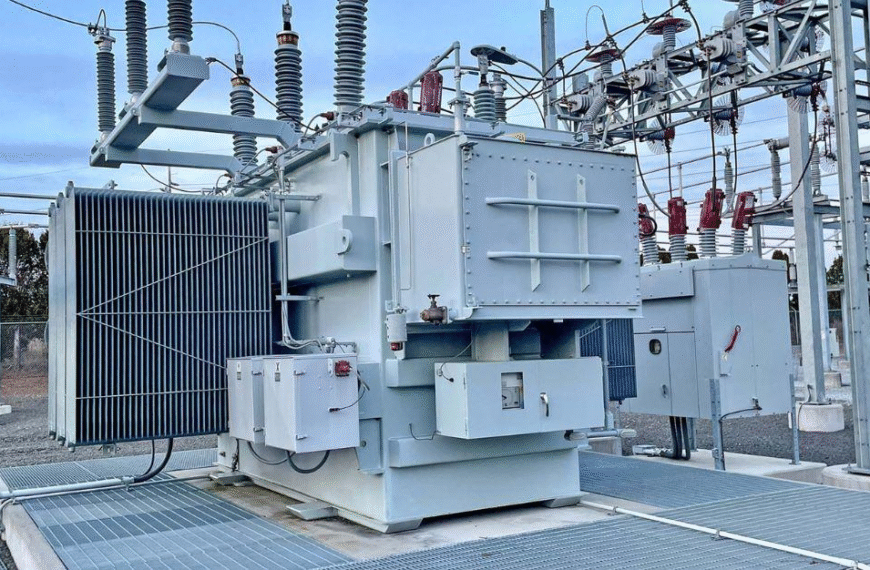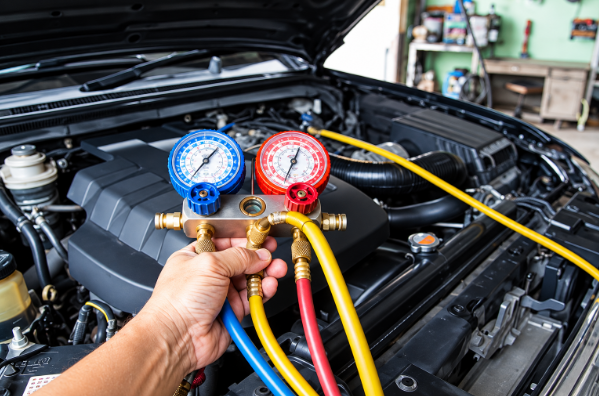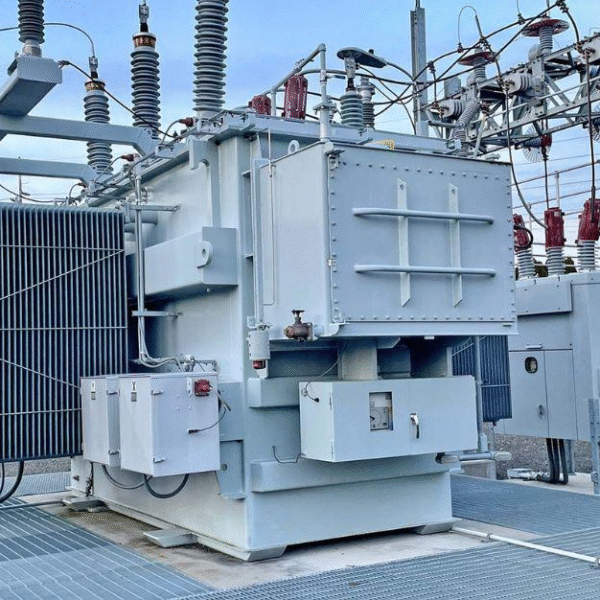
Power generation facilities depend on complex mechanical, electrical, civil, process, and instrumentation systems working together. A small design error, unsuitable component, or poorly coordinated maintenance activity can affect plant performance, safety, and operating costs. Engineering specialists help plant owners and operators address these technical requirements throughout a facility’s lifecycle.
A power plant engineering consultant can contribute at several stages, from early engineering studies and plant design to equipment assessment, modifications, maintenance support, and outage execution. Their involvement is not limited to new construction. Existing facilities may also require engineering expertise when equipment reaches the end of its service life, operating conditions change, or a plant needs modifications.
Understanding the Role of an Engineering Consultant
The responsibilities of an engineering consultant vary according to the project and type of power facility. A consultant may review existing systems, prepare technical documentation, assess equipment, develop engineering drawings, support procurement, or coordinate technical activities during installation.
Power plants typically contain interconnected systems such as boilers, turbines, generators, pumps, compressors, heat exchangers, piping, electrical equipment, control systems, and auxiliary facilities. Changes to one system can affect others, so engineering decisions need to account for the relationship between different plant components.
Consultants may also conduct feasibility studies and condition assessments before major work begins. These studies can help plant owners understand existing equipment conditions, identify technical constraints, and establish the requirements for upgrades or replacements.
For projects involving modifications to operating facilities, engineering teams may work alongside plant personnel to understand operating procedures and site conditions before developing recommendations.
See also: How Steam Cleaning Services Help Protect Upholstery and Extend Its Life
Engineering Services Used During Plant Development
Plant development requires coordination across several engineering disciplines. Mechanical engineers may focus on rotating equipment, static equipment, thermal systems, and mechanical packages. Electrical engineers address generation, distribution, protection, grounding, and other electrical requirements. Civil and structural engineers work on foundations, buildings, equipment supports, and site infrastructure.
Plant design engineering services can bring these disciplines together through equipment layouts, piping arrangements, utility systems, structural requirements, and engineering documentation. Design activities may include preparation and review of P&IDs, general arrangement drawings, equipment specifications, piping layouts, electrical drawings, and other technical documents.
Design reviews are also used to identify clashes, access limitations, maintenance concerns, and other issues before construction or modification work begins. Detecting such problems during engineering can reduce the need for costly changes during installation.
For existing plants, engineering design may focus on modifications rather than an entirely new facility. Engineers can assess available space, existing connections, equipment capacity, and operating requirements before preparing a modification design.
How Engineering Solutions Address Plant Requirements
Every power facility has different equipment, operating conditions, site limitations, and maintenance histories. Power plant engineering solutions therefore cover a broad range of technical activities rather than a single service.
An engineering team may investigate recurring equipment problems, assess system performance, develop replacement specifications, or recommend modifications to improve reliability. Technical calculations and inspections can provide information needed to determine whether existing equipment can continue operating or requires repair or replacement.
Engineering support can also be useful during plant upgrades. For example, replacing an older pump may require an assessment of flow requirements, pressure conditions, motor capacity, piping connections, foundation arrangements, and control-system interfaces. Selecting a replacement based only on the original equipment’s nameplate data may overlook changes in operating requirements.
Documentation is another major part of engineering work. Accurate drawings, equipment specifications, inspection reports, calculations, and modification records provide plant personnel with technical information for future maintenance and project activities.
From Equipment Design to Parts Manufacturing
Power plants rely on a large number of components that may require periodic replacement. Some parts are standard commercial items, while others may have specific dimensions, materials, tolerances, or performance requirements.
Power plant parts manufacturing can support the production of replacement or custom components for plant equipment. The process may involve reviewing original drawings, measuring existing components, selecting suitable materials, developing manufacturing drawings, machining or fabricating the part, and carrying out quality inspections.
Components for pumps, turbines, compressors, valves, heat exchangers, piping systems, and other equipment may require careful attention to dimensions and material specifications. Quality documentation can also be necessary to verify that manufactured components meet the required technical standards.
Engineering and manufacturing activities can be closely connected. An engineer may identify the technical requirements for a replacement component, while manufacturing specialists convert those requirements into a finished part. This coordination can be particularly useful when original components are no longer readily available.
Engineering Requirements in Gas-Based Power Facilities
Gas-fired facilities have their own engineering requirements related to fuel handling, combustion, piping, control systems, emissions, and safety. Gas systems must be designed and maintained according to applicable technical and safety requirements.
Gas plant engineering services may cover areas such as gas piping design, equipment selection, pressure regulation, instrumentation, process systems, utility connections, and plant modifications. Engineers may also assess existing systems when capacity changes or equipment upgrades are planned.
Gas turbine facilities contain several interconnected systems, including the turbine package, fuel system, air intake, exhaust system, lubrication systems, cooling systems, electrical equipment, and control systems. Changes to one area can require corresponding modifications elsewhere.
Engineering assessments can help identify these dependencies before work begins. Detailed planning is especially relevant for modifications within operating facilities, where construction activities need to coexist with plant operations and safety requirements.

Planning an Effective Plant Outage
Major maintenance activities often require equipment or entire units to be taken offline. These periods can involve inspections, repairs, replacements, cleaning, testing, and modification work. Because several teams may be working simultaneously, preparation needs to begin well before the shutdown.
Plant outage planning typically involves defining the work scope, establishing priorities, preparing schedules, arranging materials and tools, assigning personnel, coordinating contractors, and identifying safety requirements.
Engineers can contribute by reviewing technical work packages, identifying equipment requirements, preparing drawings, and helping determine the sequence of maintenance activities. Procurement schedules may also need to be coordinated with the outage timetable so that critical components are available before work begins.
A well-defined scope can reduce delays caused by missing information or unexpected dependencies. It can also help maintenance teams estimate the time and resources needed for individual work activities.
Turning the Plan Into Site Execution
Once an outage begins, the planned work moves into field execution. Plant outage implementation can involve inspection, equipment dismantling, repair, component replacement, testing, reassembly, and commissioning.
Actual site conditions do not always match engineering records. Engineers may encounter damaged components, unexpected wear, dimensional differences, or other issues after equipment is opened for inspection. Technical teams may then need to assess the condition and determine the appropriate corrective action.
Coordination between engineering, maintenance, operations, contractors, and inspection personnel is particularly useful during this stage. Decisions often need to be documented so that completed work and equipment changes are accurately reflected in plant records.
Testing and verification are also required before equipment returns to service. Depending on the equipment and work scope, this may include pressure testing, alignment checks, electrical testing, instrumentation checks, functional testing, or performance verification.
Selecting the Right Engineering Support
A power plant engineering consultant should be evaluated according to the type of work required. Experience with relevant plant systems is one consideration, particularly for projects involving specialized equipment or older facilities.
Technical capabilities also matter. Depending on the project, plant owners may need engineering design, equipment assessment, manufacturing coordination, technical documentation, site support, or outage assistance.
Clear communication with plant personnel is another practical consideration. Engineering recommendations need to account for actual operating conditions, maintenance practices, available resources, and site constraints rather than relying solely on theoretical design information.
For larger projects, the ability to coordinate multiple engineering disciplines can also simplify communication between the plant owner, contractors, equipment suppliers, and other project participants.
Engineering Support Across the Plant Lifecycle
Engineering requirements do not end when a power plant begins operation. Equipment needs inspection and maintenance, operating conditions can change, and older systems may eventually require replacement or modification.
A power plant engineering consultant can support these activities by combining engineering analysis with practical knowledge of plant equipment and field conditions. From design documentation and equipment assessment to replacement parts and outage work, engineering support can help plant teams make technically informed decisions throughout the facility’s operating life.