Cargo screening helps security teams inspect goods, vehicles, and containers before they move through ports, airports, border crossings, and other critical facilities. Combining imaging with radiation monitoring can help identify different kinds of threats while supporting the safe, orderly movement of legitimate cargo.
Cargo screening catches threats before they travel
Non-invasive X-ray and backscatter systems let operators examine cargo without opening every container. Images can help reveal concealed items, unusual densities, or other signs that warrant a closer inspection. Depending on the site and the traffic being screened, equipment may be fixed, mobile, relocatable, or designed to move around a facility.
A cargo screen is one part of a wider security process, not a guarantee that every prohibited item will be found. Its effectiveness depends on suitable equipment, trained operators, clear procedures, and appropriate follow-up when an image raises concerns.
Radiation detectors add another layer of security
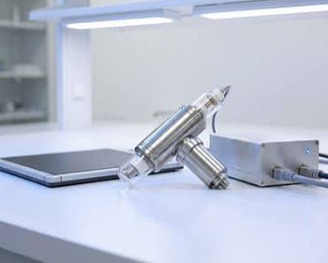
Imaging and radiation monitoring address different questions. An X-ray image can show the contents and arrangement of a load, while a radiation detector can alert staff to radiation and, in some systems, help identify radionuclides. Portal monitors may be configured for pedestrians, vehicles, cargo, or trains, while handheld units can support searches and follow-up checks.
Used together, these methods can give screening teams complementary information. A radiation alarm does not by itself establish that a shipment contains illicit material. It signals the need to follow the site’s response procedure and assess the reading in context.
See also: How Steam Cleaning Services Help Protect Upholstery and Extend Its Life
Screening teams balance speed with careful checks
Busy facilities need to process traffic efficiently without treating speed as a substitute for careful inspection. Screening lanes, equipment placement, staffing, and escalation rules all affect how smoothly cargo moves. The right setup depends on factors such as the types of vehicles and goods, available space, and expected traffic volume.
Automated features, such as recognition of license plates or container codes on some systems, may help organize inspections and associate results with a shipment. They do not replace operator review or the procedures used to resolve an alert.
Clear procedures help manage alarms and safe handling
Teams should know who reviews an image, who responds to a radiation alarm, and how a shipment is held or redirected while checks take place. Written procedures help staff distinguish routine screening from secondary inspection and communicate decisions consistently across shifts.
When an alarm occurs, staff should follow established safety and escalation protocols rather than make assumptions about its cause. Appropriate training helps operators use monitoring equipment correctly, document findings, and involve the relevant specialists when further assessment is needed.
Better coordination keeps cargo moving securely
Security works best when screening operators, facility managers, and response teams share clear information. Coordinating inspection results with shipment records can help teams identify which loads need additional attention and reduce avoidable delays for others.
Facilities can review procedures and equipment arrangements as traffic patterns or operational needs change. Combining suitable cargo imaging with radiation monitoring, trained staff, and consistent communication supports a more coordinated approach to cargo security.